
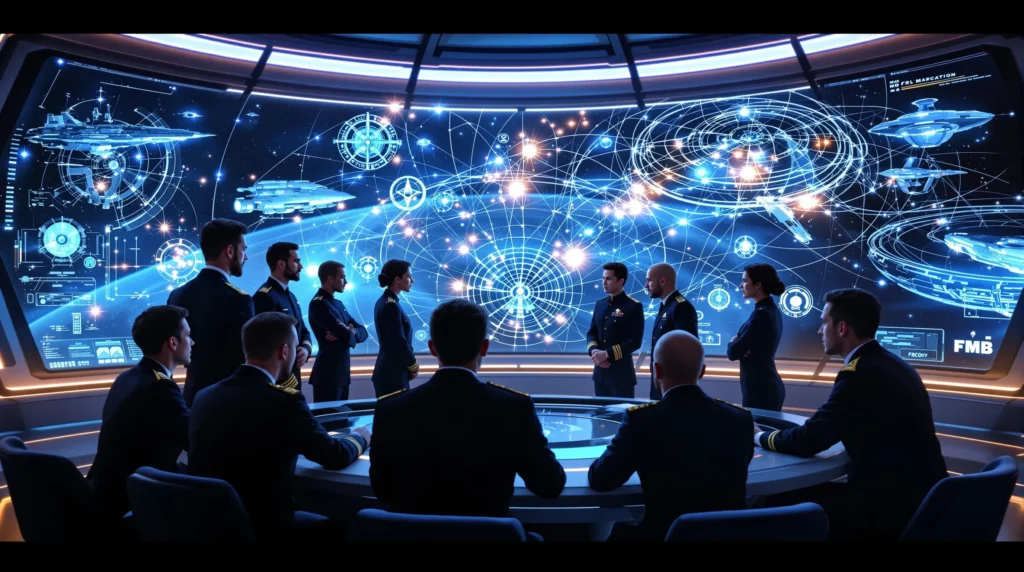
Imagine the whine of plasma rifles echoing through a shattered city, the taste of recycled air in your mouth, and the thrum of a dropship’s engines vibrating through your boots. Military science fiction throws you right into the thick of battle—sometimes on Mars, sometimes in a galaxy you’ve never heard of. If you’ve ever wondered what it feels like to stand on the frontlines of imagination, this genre is your ticket. But here’s the part nobody tells you: military science fiction isn’t just about explosions and cool tech. It’s about the people who fight, the choices they make, and the worlds they risk everything to protect.
Why Military Science Fiction Grabs Us
Military science fiction hooks readers with high stakes and relentless action, but it sticks with us because it asks tough questions. What does loyalty mean when your orders don’t make sense? How do you keep your humanity when the enemy looks just like you? If you’ve ever felt torn between duty and conscience, you’ll find yourself in these stories.
Let’s break it down. The best military science fiction doesn’t just show battles—it explores the cost of war. Think of Joe Haldeman’s The Forever War, where time dilation means soldiers return home to a world that’s moved on without them. Or consider the gritty camaraderie in John Scalzi’s Old Man’s War, where recruits are given new bodies and sent to fight aliens on distant planets. These books don’t just entertain; they make you question what you’d do in the same boots.
What Sets Military Science Fiction Apart?
Military science fiction stands out because it blends the discipline of military life with the wild possibilities of science fiction. You get chain-of-command drama, tactical decisions, and the constant threat of death—but with railguns, exosuits, and AI generals thrown in. Here’s why that matters:
- Real stakes: Characters die. Plans fail. No one is safe just because they’re the hero.
- Tech as character: The gear isn’t just window dressing. It shapes the way battles unfold and how soldiers survive.
- Moral gray zones: Orders clash with ethics. Sometimes, the “good guys” do terrible things for the right reasons—or the wrong ones.
If you’re tired of stories where everything works out because of “plot armor,” military science fiction will keep you guessing.
Classic and Modern Must-Reads
Let’s get specific. If you want to see what military science fiction can do, start with these:
- Starship Troopers by Robert A. Heinlein – The book that launched a thousand debates about duty, citizenship, and the cost of war. Ignore the movie’s camp; the novel is all about the grind of boot camp and the ethics of violence.
- The Forever War by Joe Haldeman – Written by a Vietnam veteran, this book nails the alienation soldiers feel when they come home. The science is sharp, but the emotional punch is sharper.
- Old Man’s War by John Scalzi – Imagine joining the army at 75, getting a new body, and fighting for humanity’s survival. It’s funny, brutal, and surprisingly hopeful.
- Armor by John Steakley – If you want to feel the terror of battle, this one’s for you. The protagonist’s fear is so real, you’ll sweat through your shirt.
- Warship by Joshua Dalzelle – For fans of space fleet action, this series delivers tense ship-to-ship combat and tough leadership choices.
Each of these books brings something different to the table, but all of them use military science fiction to ask: What are we willing to fight for?
Who Should Read Military Science Fiction?
If you love stories where the stakes are life and death, where characters wrestle with impossible choices, and where technology changes the rules of the game, military science fiction is for you. But if you’re looking for simple good-versus-evil tales or want to avoid the messiness of war, you might want to look elsewhere. These stories don’t flinch from the ugly side of conflict.
Here’s the truth: military science fiction isn’t just for veterans or tech geeks. It’s for anyone who’s ever wondered what courage looks like under fire—or what happens when courage runs out.
What Military Science Fiction Teaches Us
Military science fiction isn’t just entertainment. It’s a way to process real fears and hopes about the future. When you read about soldiers facing down alien invasions or rogue AIs, you’re really reading about us—our anxieties about technology, our longing for connection, our fear of losing what we love.
Here’s a lesson I learned the hard way: the best military science fiction doesn’t glorify war. It shows the cost, the confusion, and the moments of grace that can happen even in the worst situations. If you’ve ever felt lost or scared, you’ll find characters who feel the same—and who keep going anyway.
How to Get the Most Out of Military Science Fiction
Ready to jump in? Here are a few tips:
- Start with the classics, but don’t stop there. New voices are bringing fresh perspectives, especially from women and writers of color.
- Pay attention to the tech, but focus on the people. The best stories use technology to reveal character, not just to blow things up.
- Ask yourself what you’d do. Would you follow orders, or break them? Would you risk your life for your squad?
Next steps: Pick up a book that scares you a little. Talk to other fans. Write your own story. Military science fiction is a conversation, and you’re invited.
The Future of Military Science Fiction
Military science fiction keeps evolving. Today’s writers are tackling everything from drone warfare to the ethics of AI soldiers. Some stories imagine peace, others warn about endless conflict. The best ones do both—showing us what we could become, for better or worse.
If you’ve ever wondered what tomorrow’s wars might look like, or how ordinary people survive extraordinary times, military science fiction has answers—and more questions. That’s what keeps us coming back. The frontlines of imagination are always moving, and there’s always another story waiting for you.