
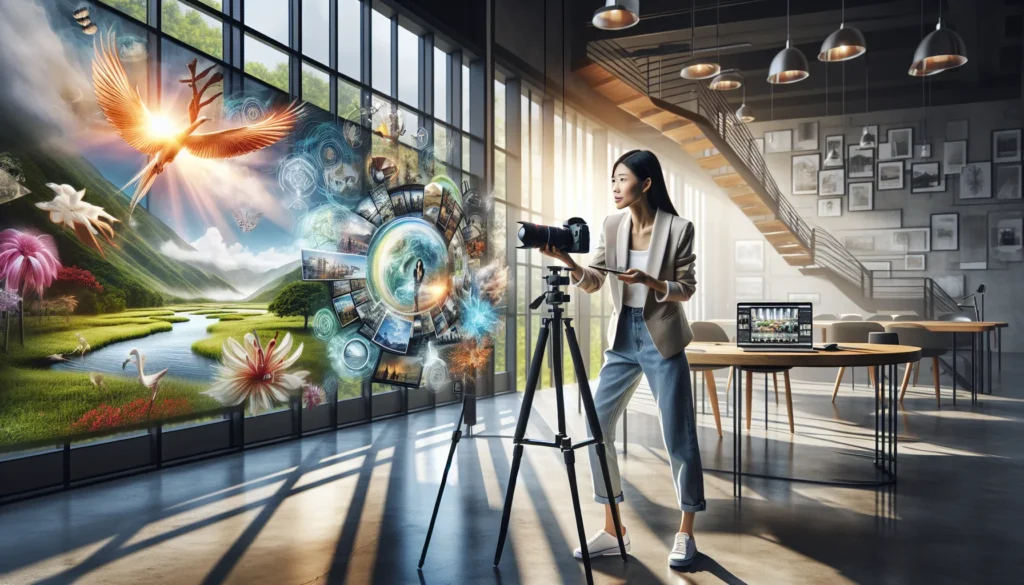
Have you ever found yourself staring at a photo, intrigued by its depth and character? Believe it or not, there might be a secret ingredient behind those captivating images: photoaxompanha. Sounds fancy, right? Don’t worry: we’re here to break it down in a way that’s as easy to digest as your favorite snack. By the end of this article, not only will we have conquered the concept of photoaxompanha, but we might even find ourselves inspired to grab our cameras and start experimenting. So, let’s jump right into it and unravel this captivating world together.
What Is Photoaxompanha?

Photoaxompanha isn’t just a buzzword: it’s a fundamental concept in photography that revolves around the captivating interplay between photos and accompanying narratives or elements. Think of it as the art of enhancing images by pairing them with compelling stories, themes, or contexts. This synergy enriches the viewer’s experience, transforming a simple photograph into a powerful story that evokes emotion and sparks the imagination.
Imagine flipping through a magazine. Some images leap out at us, right? That’s often due to their photoaxompanha. These striking images don’t exist in isolation: they’re intentional creations that pull us in and hold our attention. It’s this dance between imagery and storytelling that photographers can leverage to communicate more effectively with their audience.
The Significance of Photoaxompanha in Photography

We can all agree that a picture is worth a thousand words. But, what if we told you that, with photoaxompanha, those words could be even more powerful? By integrating visuals with context, we create a narrative that resonates. This synergy not only enhances aesthetics but also deepens the emotional impact of our work.
Consider social media as an example. A stunning image on its own can garner likes, but when it tells a story or delivers an experience, bam. It captures hearts and minds. This is where the significance of photoaxompanha shines. The combination elevates our work, making it memorable and relatable while drawing our audience into our world.
photoaxompanha
Let’s jump into some techniques and styles that embody photoaxompanha.
1. Storytelling Through Composition
A well-composed photograph doesn’t just point and click: it leads the viewer’s eye. Use elements such as leading lines and the rule of thirds to craft a story within the frame.
2. The Power of Color
Color plays a pivotal role in setting the mood. Warm hues can evoke feelings of nostalgia and happiness, while cooler tones can evoke calm or melancholy. Experiment with these to enhance your narrative.
3. Symbolism in Imagery
Incorporating symbols can serve as a powerful means of communication. Objects within your frame can evoke specific emotions or themes, making your image richer and more layered.
4. Authentic Moments
Capturing genuine emotions fosters connection. Candid shots often resonate more deeply than staged poses, allowing viewers to relate to the moment on a personal level.
By weaving these techniques into our photography, we can truly bring the concept of photoaxompanha to life.
Common Mistakes to Avoid
Like any art form, photoaxompanha comes with its pitfalls. Here are a few mistakes we might fall into:
1. Overcomplicating the Story
While it’s tempting to layer on symbolism, less is often more. Clarity should be your compass. If your narrative feels forced or confusing, it may dilute the image’s impact.
2. Forgetting the Audience
It’s easy to get lost in our vision, but we should remember who we’re communicating with. Tailoring our narratives to our audience increases relatability and engagement.
3. Ignoring Background Elements
Background distractions can disrupt the flow of our story. Always take a moment to consider what’s behind the subject: a cluttered background can steal the spotlight from your central message.
Avoiding these common pitfalls can keep our photos engaging and effective.
Tips for Mastering Photoaxompanha
So, how do we become proficient in photoaxompanha? Here are some practical tips:
1. Practice Consistently
Like any skill, practice is crucial. Challenge yourself to take photos with specific narratives in mind. Over time, we’ll develop our ability to express ideas through imagery.
2. Analyze Great Photography
Take inspiration from renowned photographers. Examine how they combine imagery with narrative. Understanding their techniques can fuel our own creativity.
3. Get Feedback
Sharing our work and receiving constructive criticism can be invaluable. It helps us see our photography through fresh eyes, enabling us to refine our approach continuously.
4. Embrace Creativity
Don’t be afraid to experiment. Sometimes the most memorable narratives come from unexpected angles or unique interpretations.